Lp(a): 85.8 percentage-point reduction vs placebo · 12 weeks
KRAKEN · Phase 2 · Peer-reviewed trial · 240 mg once daily · Efficacy estimand; mixed model on log-transformed values. Intact-Lp(a) assay is used for the plotted Lp(a) result.
Lp(a): 85.8 percentage-point reduction vs placebo · 12 weeks
240 mg once daily
High cardiovascular risk and Lp(a)≥175 nmol/L
Efficacy estimand; mixed model on log-transformed values. Intact-Lp(a) assay is used for the plotted Lp(a) result.
Safety context
Events: 51.5% vs 52.2%; serious events: 2.9% vs 6.0%; adverse-event discontinuations: 8.8% vs 1.5% (240 mg/placebo).
Limitations: Assay matters: 85.8% reduction by intact-Lp(a) assay versus 68.9% with the traditional apo(a)-based assay. Neither assay result demonstrates clinical-event benefit.
Status in this atlas: Current approval status is not summarized in this therapy record. A trial phase or a brand name does not establish approval for this use.
Disrupts the interaction between apolipoprotein(a) and apoB-100, inhibiting lipoprotein(a) assembly.
Uses, doses and availability depend on the formulation, indication and country. Study doses below describe research; they are not prescribing instructions.
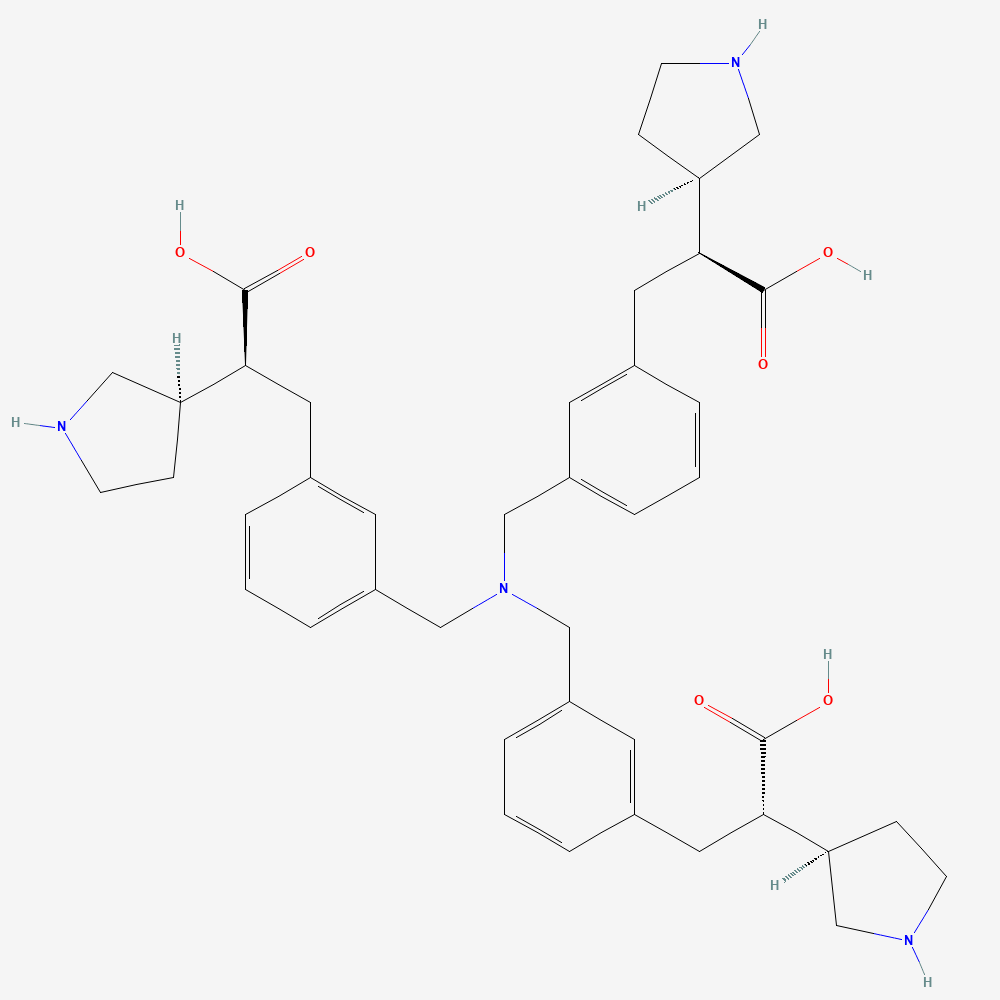
This is the PubChem compound record for muvalaplin, not a related discovery compound. No matching PubChem 3D conformer was available for this record when checked.
A next milestone is not summarized for this therapy. This does not mean development has ended.
Development history4 selected milestones
Muvalaplin · compound history across indications
Selected sourced milestones, not a complete development history. Dates distinguish study starts, publications, announcements and approvals; the first listed date is not necessarily when development began.
Study start
First human study begins screening
The phase 1 paper dates the start of participant screening to August 2020. The study tested single and repeated oral doses of muvalaplin, then known as LY3473329; the month identifies screening, not a confirmed first-dose day.
The first human study reported dose-dependent Lp(a) lowering with up to 14 days of oral treatment. This short study assessed initial safety, tolerability and biomarker effects.
The plotted 12-week KRAKEN trial reported Lp(a) lowering in adults at elevated cardiovascular risk. Results differed between intact-Lp(a) and conventional apo(a)-based assays; the lipid chart uses the intact-particle assay.
The registry records the actual start of the phase 3 trial testing cardiovascular-event reduction in people with elevated Lp(a), including those with a prior event and those at risk for a first event.