The triglyceride-lowering mechanism is not fully understood; proposed effects include reduced liver triglyceride synthesis and increased fatty-acid oxidation and lipoprotein-lipase activity. Source
Selected approval record (2014-05-05): FDA approved omega-3 carboxylic acids as an adjunct to diet to reduce triglycerides in adults with severe hypertriglyceridemia, at least 500 mg/dL.
Median randomized follow-up: 42 months (3.5 years). Crude proportion with an event during randomized follow-up; median randomized follow-up: 42 months (3.5 years).
Safety context
New atrial fibrillation: 2.2% versus 1.3%; gastrointestinal adverse events were more frequent with EPA/DHA.
Limitations: Stopped early for futility. Mortality and other comparisons beyond the neutral primary endpoint are exploratory. The formulation and comparator differ from REDUCE-IT.
Status in this atlas: Selected approval record (2014-05-05): FDA approved omega-3 carboxylic acids as an adjunct to diet to reduce triglycerides in adults with severe hypertriglyceridemia, at least 500 mg/dL. Status source
The triglyceride-lowering mechanism is not fully understood; proposed effects include reduced liver triglyceride synthesis and increased fatty-acid oxidation and lipoprotein-lipase activity.
Uses, doses and availability depend on the formulation, indication and country. Study doses below describe research; they are not prescribing instructions.
The molecule
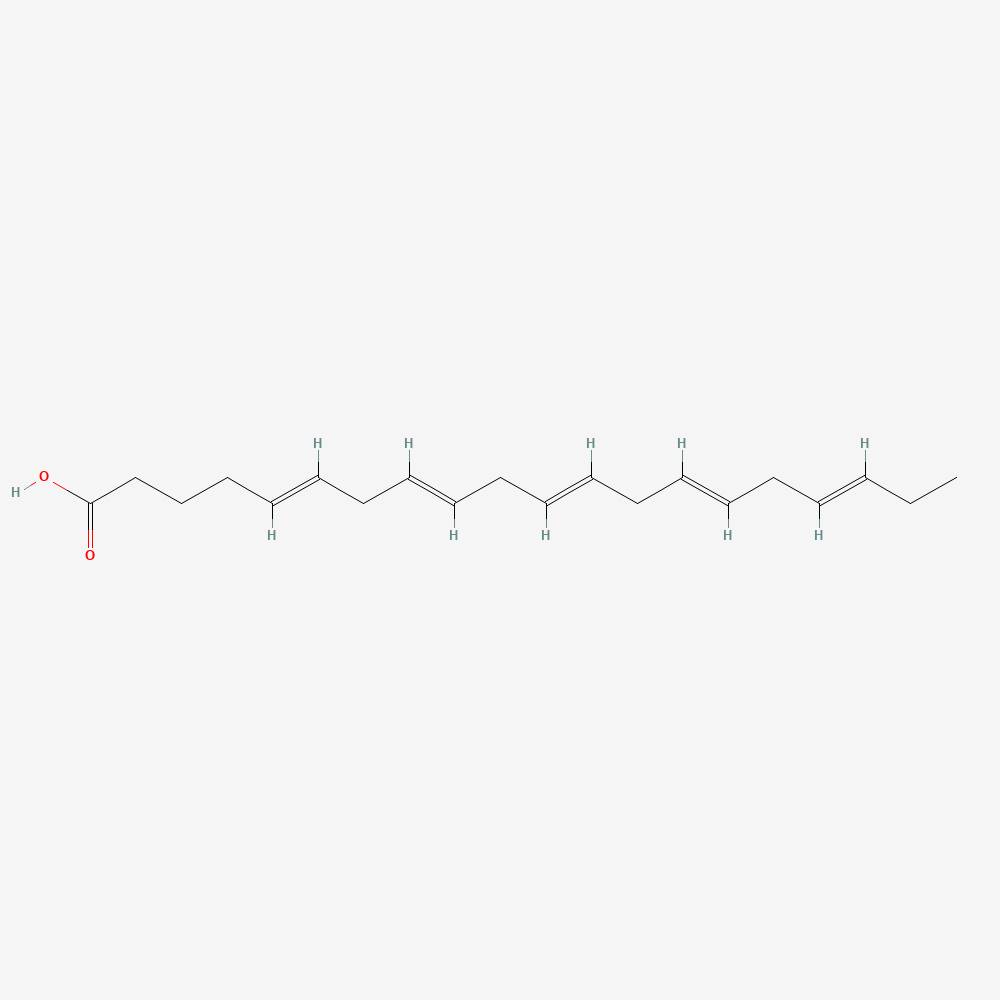
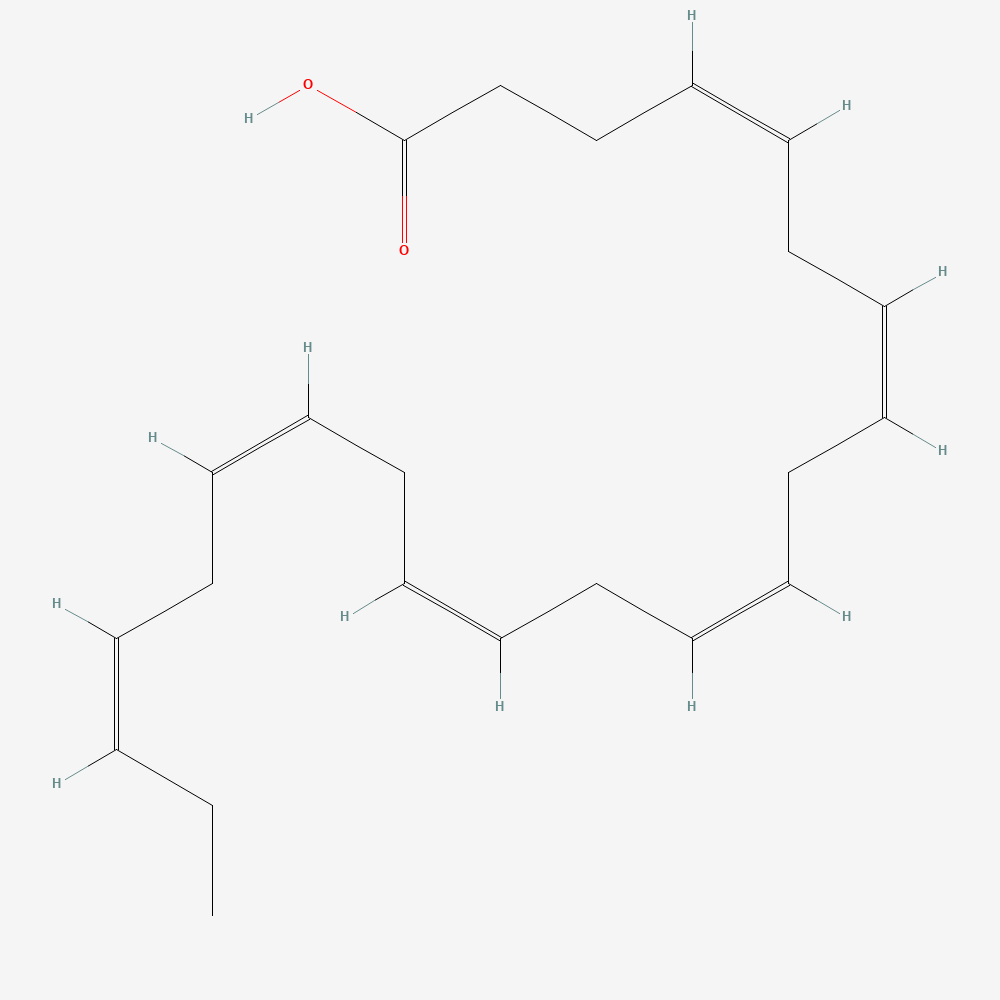
A mixture of free fatty acids in which EPA and DHA are the most abundant omega-3 components. EPA and DHA are shown separately as free acids. They are the major components, not an exhaustive description of the formulation, and are distinct from icosapent ethyl.
Chemical structure of all-cis eicosapentaenoic acid, a major component of omega-3 carboxylic-acid formulations.
Shown: EPA free acid; not its ethyl ester.
This is a molecular component record, not a separate trial profile. The optional 3D view is a computed PubChem conformer, not an experimentally measured or protein-bound shape.
Chemical structure of all-cis docosahexaenoic acid; PubChem names this compound Doconexent.
Shown: DHA free acid.
This is a molecular component record, not a separate trial profile. The optional 3D view is a computed PubChem conformer, not an experimentally measured or protein-bound shape.
A next milestone is not summarized for this therapy. This does not mean development has ended.
Development history5 selected milestones
Omega-3 carboxylic acids (EPA + DHA) · compound history across indications
Selected sourced milestones, not a complete development history. Dates distinguish study starts, publications, announcements and approvals; the first listed date is not necessarily when development began.
Publication
ECLIPSE human pharmacokinetic study published
A randomized crossover study in 54 overweight adults compared single doses of Epanova's free-fatty-acid formulation with omega-3 ethyl esters. EPA/DHA bioavailability was higher with Epanova during low-fat intake, supporting development of the formulation.
The 12-week randomized EVOLVE trial in severe hypertriglyceridemia reported triglyceride and non-HDL-C lowering with omega-3 free fatty acids. LDL-C increased with some doses; cardiovascular-event benefit was not evaluated.
AstraZeneca announced closure after an independent monitoring committee judged cardiovascular benefit unlikely. This was a trial discontinuation; the announcement explicitly stated that the existing U.S. severe-hypertriglyceridemia indication was unaffected.
Among 13,078 statin-treated patients at high cardiovascular risk, EPA+DHA carboxylic acids did not reduce the primary cardiovascular composite versus corn oil (HR 0.99; 95% CI 0.90–1.09). Atrial fibrillation was more frequent with active treatment.