All therapiesEvidence snapshot 2026-09-14
Lipids & cardiovascular health

Ezetimibe + simvastatin

Combines intestinal cholesterol-absorption inhibition by ezetimibe with HMG-CoA reductase inhibition by activated simvastatin. Source

At a glance

Selected evidence in this atlas
Studied use & population

Adults hospitalized for an acute coronary syndrome within the previous 10 days.

Study context
Approval & development

Selected approval record (2004-07-23): FDA approved the fixed combination of ezetimibe and simvastatin as Vytorin. Each component had been approved earlier.

Status sourceStatus & indications
Selected efficacy evidence

Primary cardiovascular composite: HR 0.936 (95% CI 0.89–0.99). Cardiovascular death, nonfatal heart attack, unstable angina requiring rehospitalization, coronary revascularization after at least 30 days, or nonfatal stroke.

IMPROVE-IT · Phase 3 · Ezetimibe 10 mg orally daily · Simvastatin 40 mg daily in both groups; ezetimibe versus placebo added. Protocol permitted selected increases to simvastatin 80 mg. · Median randomized follow-up: 6 years.

Evidence & limitations
Important safety context

Muscle, gallbladder, hepatic adverse effects and cancer were similar between groups.

Safety context
Next milestone

A next milestone is not summarized for this therapy.

Milestone details

Study results apply to their own population, dose and analysis. They do not establish a ranking between therapies.

Evidence in the atlas

1 result

Each result belongs to its own study population, dose and analysis. Open a result for its chart, comparator, safety findings and limitations.

Cardiovascular outcomes

IMPROVE-IT

Primary cardiovascular composite: HR 0.936 (95% CI 0.89–0.99). Cardiovascular death, nonfatal heart attack, unstable angina requiring rehospitalization, coronary revascularization after at least 30 days, or nonfatal stroke.

Ezetimibe 10 mg orally daily

Adults hospitalized for an acute coronary syndrome within the previous 10 days.

Background treatment & comparator: Simvastatin 40 mg daily in both groups; ezetimibe versus placebo added. Protocol permitted selected increases to simvastatin 80 mg.

Median randomized follow-up: 6 years. Seven-year Kaplan–Meier estimate.

Safety context

Muscle, gallbladder, hepatic adverse effects and cancer were similar between groups.

Limitations: Mortality was a tertiary outcome. Event percentages are seven-year Kaplan–Meier estimates, not crude event counts divided by enrollment.

Biology & identity

Status in this atlas: Selected approval record (2004-07-23): FDA approved the fixed combination of ezetimibe and simvastatin as Vytorin. Each component had been approved earlier. Status source

Combines intestinal cholesterol-absorption inhibition by ezetimibe with HMG-CoA reductase inhibition by activated simvastatin.

Mechanism source

Uses, doses and availability depend on the formulation, indication and country. Study doses below describe research; they are not prescribing instructions.

The molecule

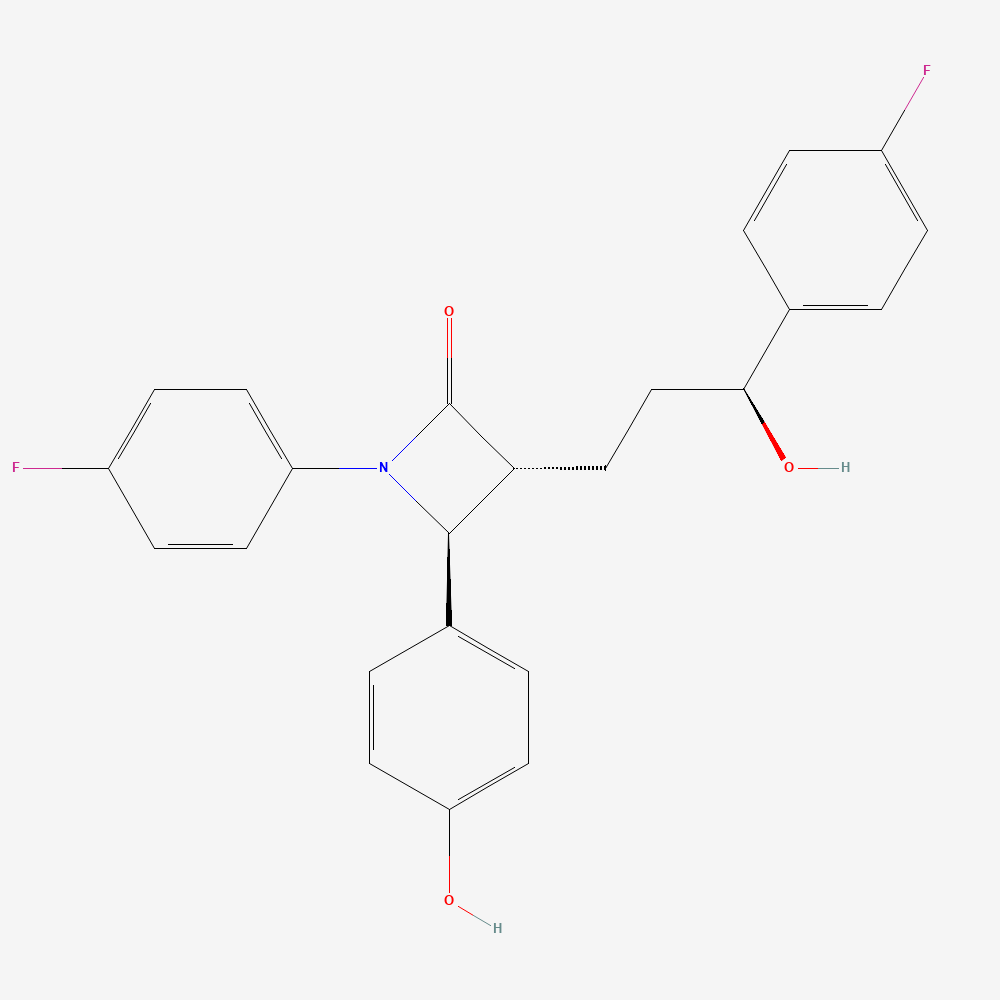
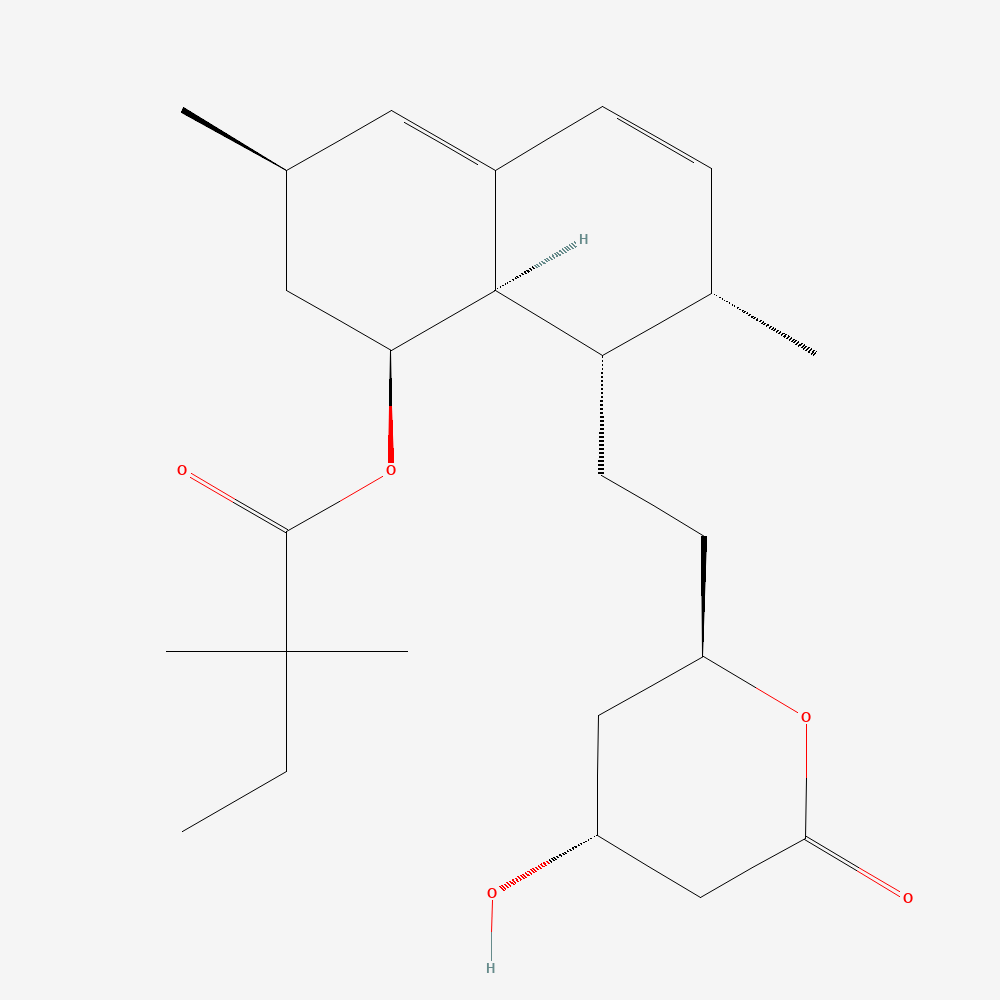
Two chemically distinct active ingredients used together. Display the two component structures separately, retaining simvastatin in its administered lactone form.

Ezetimibe

Small molecule

Ezetimibe

Chemical structure of ezetimibe.

Shown: Neutral ezetimibe parent molecule.

The parent drug is shown; its glucuronide metabolite is not included. The optional 3D view is a computed PubChem conformer, not an experimentally measured or protein-bound shape.

PubChem CID 150311

Simvastatin

Small molecule

Simvastatin

Chemical structure of simvastatin in its administered lactone form.

Shown: Neutral simvastatin lactone prodrug.

This is simvastatin, not its ring-opened active hydroxy-acid metabolite. The optional 3D view is a computed PubChem conformer, not an experimentally measured or protein-bound shape.

PubChem CID 54454

Combination source

Development timeline

Next milestone

A next milestone is not summarized for this therapy. This does not mean development has ended.

Development history5 selected milestones

Ezetimibe + simvastatin · compound history across indications

Selected sourced milestones, not a complete development history. Dates distinguish study starts, publications, announcements and approvals; the first listed date is not necessarily when development began.

  1. Publication

    Early combination studies published

    Short clinical pharmacology studies showed additional LDL-C lowering when ezetimibe was coadministered with simvastatin. These studies tested the two drugs together before approval of a fixed-combination tablet.

    Kosoglou et al. — combination pharmacology
  2. Publication

    Larger combination trial published

    A 12-week randomized study found greater LDL-C lowering with ezetimibe plus simvastatin than simvastatin alone.

    Davidson et al. — JACC
  3. Approval

    Vytorin receives U.S. approval

    FDA approved the fixed combination of ezetimibe and simvastatin as Vytorin. Each component had been approved earlier.

    FDA — original Vytorin application
  4. Publication

    ENHANCE imaging results published

    Adding ezetimibe to simvastatin did not significantly improve carotid artery wall-thickness progression despite greater LDL-C lowering. This was an imaging outcome, not a cardiovascular-event trial.

    ENHANCE — NEJM
  5. Publication

    IMPROVE-IT outcomes results published

    Adding ezetimibe to simvastatin reduced the cardiovascular composite after acute coronary syndrome. This supports the combination in that setting, not ezetimibe monotherapy; the trial is plotted on the outcomes page.
    IMPROVE-IT — NEJM

Selected sources checked Sep 14, 2026. This is not an exhaustive history.